More than 200 tourists now take to the skies over Pokhara every day on paragliding flights, but operators say limited airspace is holding the sport back. The Nepal Air Sports Association shared the figures in a report by the state news agency RSS, carried by Prasashan on Friday, 27 November. Pokhara paragliding pilots are now asking the Civil Aviation Authority of Nepal (CAAN) to open more airspace so that more foreign solo flyers can come.
Pokhara paragliding by the numbers
The autumn season has brought clear skies to Pokhara. On a good day, the views stretch from Phewa Lake to the snow peaks of the Annapurna range. That has drawn a steady stream of visitors to the launch sites above the city.
According to the Nepal Air Sports Association, more than 200 domestic and foreign tourists paraglide in Pokhara each day. During the Dashain and Tihar festival holidays, the number rose to as many as 400 a day. The same figures appeared in Nagarik News.
- Daily flyers: more than 200, up to 400 during Dashain–Tihar
- Foreign and Nepali share: about 60 per cent foreign, 40 per cent Nepali
- Flying days: about 300 a year
- Operators: 54 companies affiliated with the association
- Pilots: 230 trained pilots
- Price: about Rs 8,500 for a flight of 15 to 30 minutes
Growing interest among Nepalis
Madhav Tiwari, an air sports official quoted in the RSS report, said about 60 per cent of flyers are foreign and 40 per cent are Nepali. He said interest among domestic tourists is growing. He estimated that about one in five tourists who visit Pokhara go paragliding.
Tiwari said flights take place on about 300 days a year. Only rainy days and bad weather stop operations. That long season is one reason Pokhara is often ranked among the best places in the world for the sport.
How a tandem paragliding flight works
Most visitors fly tandem. A trained pilot sits behind the passenger, and both are attached to one large wing. The pilot controls the flight while the passenger enjoys the view.
Flights launch from Sarangkot and Toripani, in ward 18 of Pokhara Metropolitan City. Elis Thapa, a trainer and pilot with Phistel Nepal Paragliding, said his company’s flights launch from about 1,650 metres above sea level. After the flight, pilots land at Khapaudi on the shore of Phewa Lake.
Paragliders stay aloft by using rising currents of warm air, known as thermals. As the sun heats the hillsides, the air rises and lifts the wing. Skilled pilots can circle in these thermals to gain height and stay up for longer.
Safety and insurance
According to Tiwari, the 54 affiliated companies employ 230 trained pilots. Both pilots and passengers are insured, and companies follow safety measures. Monitoring and permit renewals are carried out through the Nepal Air Sports Association.
Thapa also said pilots follow all safety standards on every flight. For tourists, choosing a registered company with insured, trained pilots remains the most important safety step.
Airspace: the main challenge for operators
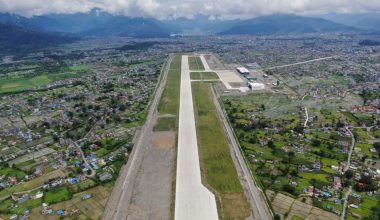
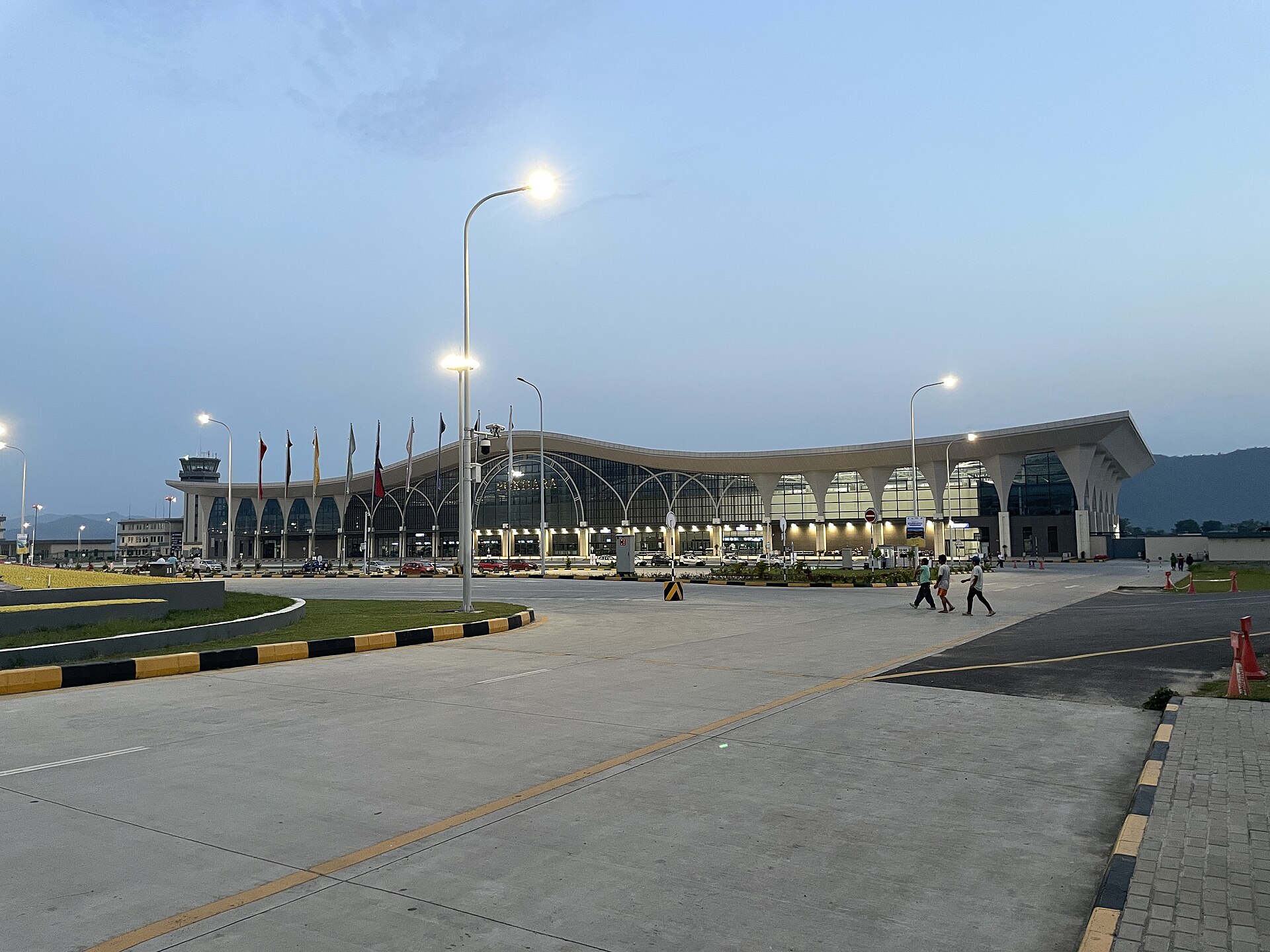
The biggest concern for the industry is airspace. Pokhara is now home to an international airport, and that has changed the skies above the city.
After Pokhara International Airport opened in January 2023, paragliding was briefly halted for flight safety reasons, the RSS report said. Flights were later allowed again from designated spots. Today, paragliders must stay within set areas so that they do not come into conflict with aircraft approaching or leaving the airport.
Fewer foreign solo flyers
Thapa said the limited flying area has hurt one valuable group in particular: experienced foreign pilots who come to fly solo. Because airspace is restricted, Pokhara has not been able to attract as many of them as expected, he said.
He urged CAAN to increase the airspace available for paragliding in Pokhara. If that happened, he said, many more foreign tourists could come. Solo pilots often stay for weeks, which means more spending on hotels, food and transport.
Thapa also said the number of paragliding competitions in Pokhara has fallen, so fewer foreign competitors visit. He called on the state to bring in plans that encourage operators.
Sharing the skies with airlines
Balancing paragliding and commercial flights is not simple. Airliners need protected airspace around the approach and departure paths of a runway. A paraglider drifting into that space could create a serious risk.
Air traffic regulators therefore set boundaries and altitude limits for sports flying. Expanding those zones would require careful study of flight paths, traffic levels and coordination between pilots and controllers. Any decision on more airspace would rest with CAAN.
The question is becoming more pressing as Pokhara tries to attract more international flights. Buddha Air has revived plans for jet services from the city, and Flydubai already flies there daily, as our report on flydubai Pokhara passenger numbers shows. More air traffic could make the airspace debate even more complex.
Pokhara’s role as an adventure hub
Paragliding began in Pokhara about 30 years ago. Since then, it has become one of the city’s trademarks. Pilot training is also offered locally, as explained in our guide to the paragliding pilot course in Nepal.
A new paragliding training centre opened a few days ago in Rivan, ward 5 of Machhapuchchhre Rural Municipality in Kaski. It is run by Aerodynamic Paragliding Pvt Ltd together with the municipality. The aim is to train skilled pilots locally.
Pokhara also offers other air and adventure sports, including skydiving, ultralight flights, hot-air balloon rides and bungee jumping. Hari Bhujel, chairperson of the Pokhara Tourism Council, said tourism in the city rests on nature, culture and adventure. Attracting more foreign adventure tourists could benefit Pokhara greatly, he said.
Paragliding also supports many local jobs. Besides pilots, the industry employs drivers who take flyers up to Sarangkot, office staff, photographers and video operators. Many flights are sold through hotels and travel agents in Lakeside, which adds income across the tourism chain.
What happens next
The autumn season is still under way, and Pokhara’s busiest months for flying continue into winter. Daily numbers may stay high as trekkers return from the mountains and pass through the city.
For the industry, the key issue is whether CAAN will review the airspace limits. Operators want more room for solo and competition flying. Any change would need to keep commercial flights safe, so a careful study is likely to come first.
For now, Pokhara’s paragliders continue to fill the skies above Phewa Lake every day. For many visitors, a flight over the lake with the Annapurnas in view remains a highlight of their trip to Nepal.
Featured image: Phewa Lake, Pokhara. Photo via Wikimedia Commons (free licence; author and licence on the file page).