Buddha Air has revived its plan to fly jets on international routes from Pokhara, putting the Buddha Air Pokhara jets idea back on the table. Chairman Birendra Bahadur Basnet said on Tuesday, 24 November 2026, that the company is evaluating aircraft, including the Boeing 737 MAX 8, for a Pokhara-based international operation. Speaking at a programme organised by the Institute for Integrated Development Studies (IIDS) in Kathmandu, he also set out five conditions for making Pokhara International Airport a success, according to the Kathmandu Post, Setopati and Artha Dabali.
The Buddha Air Pokhara jets plan
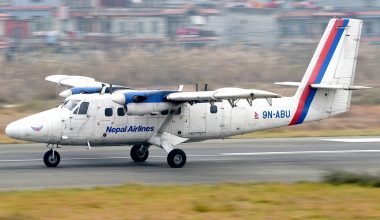
Buddha Air is Nepal’s largest private domestic airline. It flies turboprops such as the ATR 72 on domestic routes and a few short flights to India. Jets would be a major step for the company.
The idea is not new. The Kathmandu Post reported that Buddha Air first announced plans for Airbus A320 jets from Pokhara in 2017. The plan stalled because the new airport was delayed for years.
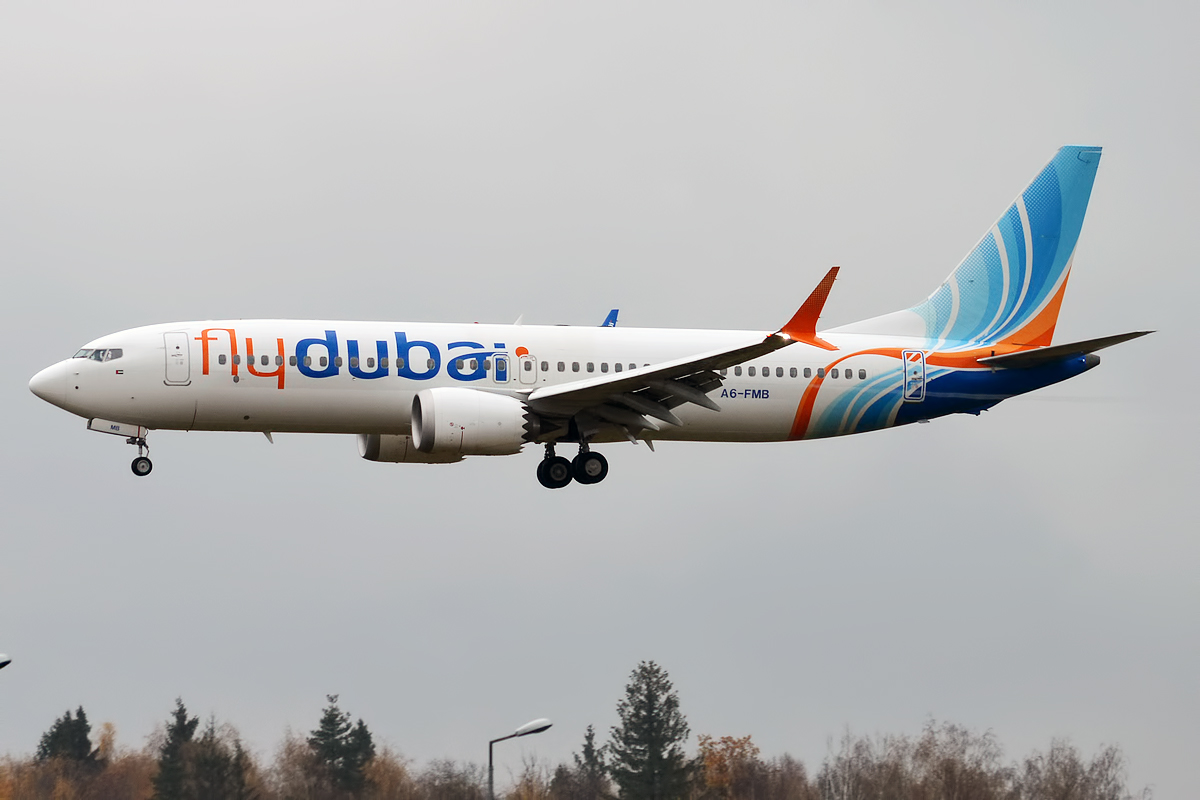
Now the company is restarting the work. Basnet said an aircraft study carried out about five years ago is being reviewed and should be finished in one to two months. The Boeing 737 MAX 8, which flydubai flies to Pokhara, is among the aircraft being studied.
A separate company and three jets
According to the Kathmandu Post, the jet operation would not be run by Buddha Air directly. A separate company may be set up, possibly through a public-private partnership or a public share issue. Ownership and financing are not yet decided.
The same report said the plan would start with three jets. Basnet said representatives of Airbus and Boeing are expected to visit Nepal to assess the idea.
Basnet’s five conditions for Pokhara
Basnet argued that an airline alone cannot save the airport. He listed five conditions, as reported by Setopati and Artha Dabali:
- Competitive costs and fares. Flying from Pokhara should not cost passengers or airlines more than flying from Kathmandu.
- Enough flights. The airport needs at least 30 flights a day. Over about 15 operating hours, that is two flights an hour.
- A home-based international airline. Pokhara needs its own international carrier, not only visiting foreign airlines.
- Links with tourism. The airline should work with hotels, trekking and tour companies to sell packages.
- Risk management. Floods, landslides and mountain disasters must be planned for, with clear emergency plans.
He also said Pokhara needs about 1.5 million passengers a year to make international operations viable. Setopati reported the figure as foreign tourists, while Artha Dabali described it as total passenger movements.
Better landing technology on the way
Weather has been a major problem at Pokhara. Low cloud and haze often force flights to divert or cancel. Setopati quoted Basnet as saying about 15% of flights had been cancelled or diverted because of poor visibility.
A new satellite-based approach called RNP-AR should help. RNP-AR stands for Required Navigation Performance – Authorisation Required. It lets suitably equipped aircraft follow a precise curved path using satellite navigation, even near hills.
CAAN spokesperson Bikram Gautam told the Kathmandu Post that RNP-AR would be installed within a month. It would lower the visibility needed for landing to about 1,500 metres. Basnet said this could cut diversions to around 2%.
RNP-AR approaches are already used at several difficult airports around the world, often surrounded by mountains. They need trained crews, approved aircraft and careful design by the aviation authority. For airlines, fewer diversions mean lower costs and more reliable schedules, which makes it easier to sell tickets with confidence.
Pokhara airport today
Pokhara International Airport opened on 1 January 2023 after long delays. It was built with Chinese financing at a cost of about US$216 million. For a long time it had no regular international flights.
That changed when flydubai started Dubai–Pokhara flights this autumn. In the first two months, flydubai operated 122 flights in both directions and carried 13,474 passengers, airport general manager Jagannath Niraula told Radio Nepal. Of these, 8,115 flew from Dubai to Pokhara and 5,359 flew the other way. Our earlier report covered the first flydubai Pokhara passenger figures.
Local tourism leaders say more passengers could come from India. Indian visitors arriving by air in Pokhara currently face paperwork hurdles, Radio Nepal reported.
What it means for Nepali travellers
A Pokhara-based jet airline could change travel in western Nepal. Gandaki Province has many families with members working in the Gulf and Malaysia. Today, most of them must travel to Kathmandu for international flights.
- Direct flights from Pokhara would save time and the cost of a domestic connection.
- Tourists could fly straight to the gateway for the Annapurna region.
- More competition could bring lower fares on Gulf routes.
Until then, travellers can already use flydubai’s Pokhara service, which connects onward through Dubai.
What’s next
Buddha Air will finish its aircraft study first, then look at markets and financing. The visits by Airbus and Boeing teams will be an early sign of how serious the plan is.
Air routes also matter. Nepal and India are working on better entry routes from the west, which would shorten flights to Pokhara. You can follow that story in our report on the Nepal–India air route talks and the push for flights from Pokhara to Indian cities.
Sources
- The Kathmandu Post
- Setopati (Nepali)
- Artha Dabali (Nepali)
- Radio Nepal (Nepali)
- Civil Aviation Authority of Nepal
Featured image: Pokhara International Airport. Photo via Wikimedia Commons (free licence; author and licence on the file page).