The Bhairahawa air route is set to become two-way. Nepal and India have agreed to let aircraft fly the B345 Kathmandu–Bhairahawa–Lucknow route in both directions, according to the joint statement issued after Prime Minister Balendra Shah’s visit to India on 22–23 November 2026. The news, reported by the state news agency RSS via Ratopati and by Peoples’ Review and Nepal News, raises hopes for Gautam Buddha International Airport and Pokhara International Airport.
What was agreed on the Bhairahawa air route
Point 8 of the joint statement deals with air routes. Both sides agreed to turn the B345 route, which is now one-way, into a two-way route. B345 links Kathmandu, Bhairahawa and Lucknow through Indian airspace.
This was not a separate signed agreement. It is a commitment in the joint statement. The next step is technical consultation between the two countries’ aviation authorities on how the route will work.
Jayanarayan Acharya, joint secretary at the Ministry of Culture, Tourism and Civil Aviation, called the outcome a big achievement for Nepal, Ratopati reported. He said it would be put into practice once the technical teams finish their work.
Other entry routes still under discussion
Nepal has long asked for more entry points from India. The status of each, as reported by Ratopati and Peoples’ Review, is:
- Mahendranagar (west): India has reportedly agreed to let aircraft enter at about 39,000 feet. This has not been confirmed in the joint statement.
- Bhairahawa and Janakpur, lower altitudes: India is described as positive, but no final decision has been made.
- Nepalgunj: Nepal has requested a route. No progress has been reported.
- Bagdogra: India wants a route over Nepal for its West Bengal airport. Both sides agreed to keep talking.
Our earlier reports explain the background, including how India sought to tie the Mahendranagar route to Bagdogra and why the air route deal stalled over the Bagdogra demand just before the visit.
How a two-way route works
Air routes are like highways in the sky. Each has a code, set entry and exit points, and fixed altitudes. A one-way route can only be used in one direction, so aircraft going the other way must take a longer path.
Today, most international flights enter Nepal through the Simara entry point in Bara. For airlines flying to Bhairahawa or Pokhara from the west, that means a detour. Former CAAN director general Ratish Chandra Lal Suman told Ratopati that a two-way B345 would cut flight time for aircraft arriving from the west.
Shorter routes mean less fuel and lower costs. They also make it easier for airlines to plan schedules that make money, which has been a big obstacle for Nepal’s new airports.
When can flights start?
No start date has been announced. Joint technical teams must first settle the entry point, the altitude, how aircraft are handed between Indian and Nepali controllers, and other air traffic details. The Civil Aviation Authority of Nepal (CAAN) and the Airports Authority of India must then publish the route in their Aeronautical Information Publications (AIPs).
Shyam Kishor Shah, acting general manager of Gautam Buddha International Airport, gave a rough timeline to Radio Nepal. He said technical teams from both sides have already met twice. He expects the process to take three to four months, with two-way flights possible within about six months.
Shah explained that an AIP entry takes around two months to take effect after publication. He added that the proposed route offers at least 10,000 feet of altitude.
Impact for Bhairahawa, Pokhara and passengers
Gautam Buddha International Airport opened in May 2022 but has struggled to keep regular international flights. Jazeera Airways, flydubai, Thai AirAsia, Himalaya Airlines and Qatar Airways have operated there at different times, Radio Nepal noted. None of the scheduled services has lasted.
Business groups in Lumbini welcomed the news. Thakur Kumar Shrestha, president of FNCCI Lumbini Province, told the Himalaya Times his members welcome the agreement.
A better route could help several groups:
- Migrant workers from Lumbini and western Nepal, who now travel to Kathmandu for Gulf and Malaysia flights.
- Buddhist pilgrims visiting Lumbini, who could fly closer to the birthplace of the Buddha.
- Hotels and tour operators in Rupandehi and Pokhara, who have invested heavily.
However, experts warn that a route alone will not guarantee flights. Airlines still need enough passengers, competitive costs and good ground facilities. Peoples’ Review noted that the deal does not by itself guarantee regular international services.
What’s next
A senior CAAN official told RSS that Nepal has started its homework and that the joint technical teams have begun work. Watch for three milestones in the coming months:
- A final technical agreement on B345 procedures and altitude.
- Publication of the route in the AIPs of Nepal and India.
- Airlines announcing new scheduled flights to Bhairahawa or Pokhara.
For more on Nepal’s push for better links with India, read our report on the proposed Janakpur–Ayodhya air connection. Official route notices will appear on the CAAN website.
Sources
- Ratopati / RSS (Nepali)
- Peoples’ Review
- Nepal News
- Radio Nepal (Nepali)
- Himalaya Times (Nepali)
- Civil Aviation Authority of Nepal
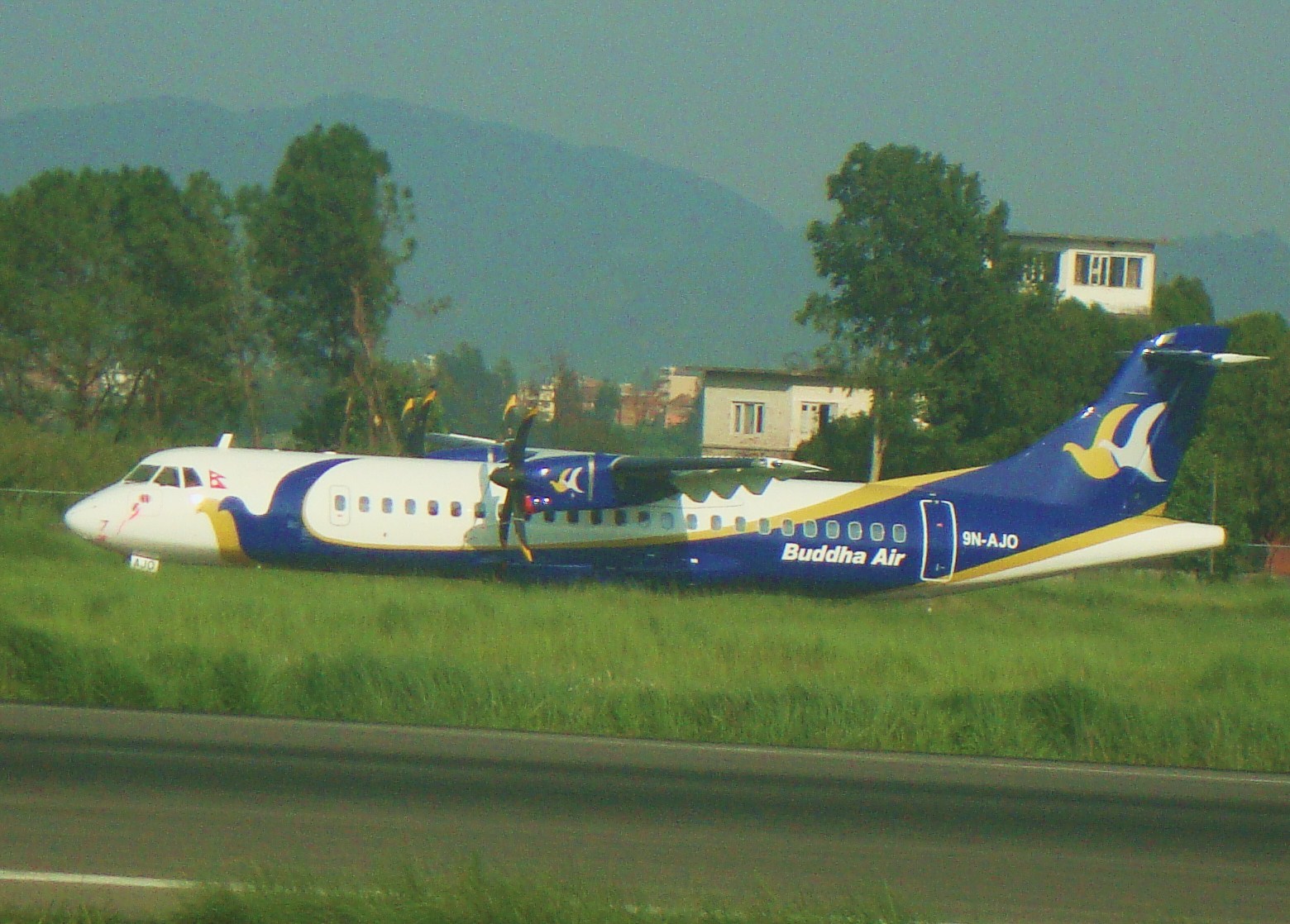
Featured image: Buddha Air aircraft 9N-AMD. Photo via Wikimedia Commons (free licence; author and licence on the file page).