The Norse Atlantic bankruptcy has grounded one of Europe’s best-known long-haul budget airlines. Norse Atlantic Airways suspended all flights on Thursday, 26 November 2026, and its Norwegian operating company filed for bankruptcy the next day, according to an official company release and reports by AeroTime and Aviation Week. All Norse flights are cancelled and ticket sales have stopped.
What happened in the Norse Atlantic bankruptcy
The first blow came on the morning of 26 November. Shortly before 9:00 a.m. local time, Norse told the Oslo Stock Exchange that it was suspending all operations. The airline had run out of cash to keep flying.
On 27 November at 14:00 CET, the Norwegian operating subsidiary, Norse Atlantic Airways AS, filed a bankruptcy petition with the Agder District Court. The court will now appoint a trustee to manage the company’s remaining assets and claims.
Chief executive Eivind Roald apologised in the company statement. He said the company was “deeply sorry for the impact this has on our passengers, employees and partners.”
What about the parent company?
Not every part of the group is in bankruptcy. The listed parent company, Norse Atlantic ASA, and its UK subsidiary are not part of the filing. They say they are looking for a way to keep the rest of the business alive. For passengers, however, the practical result is the same: no Norse flights are operating.
The fleet and the debts
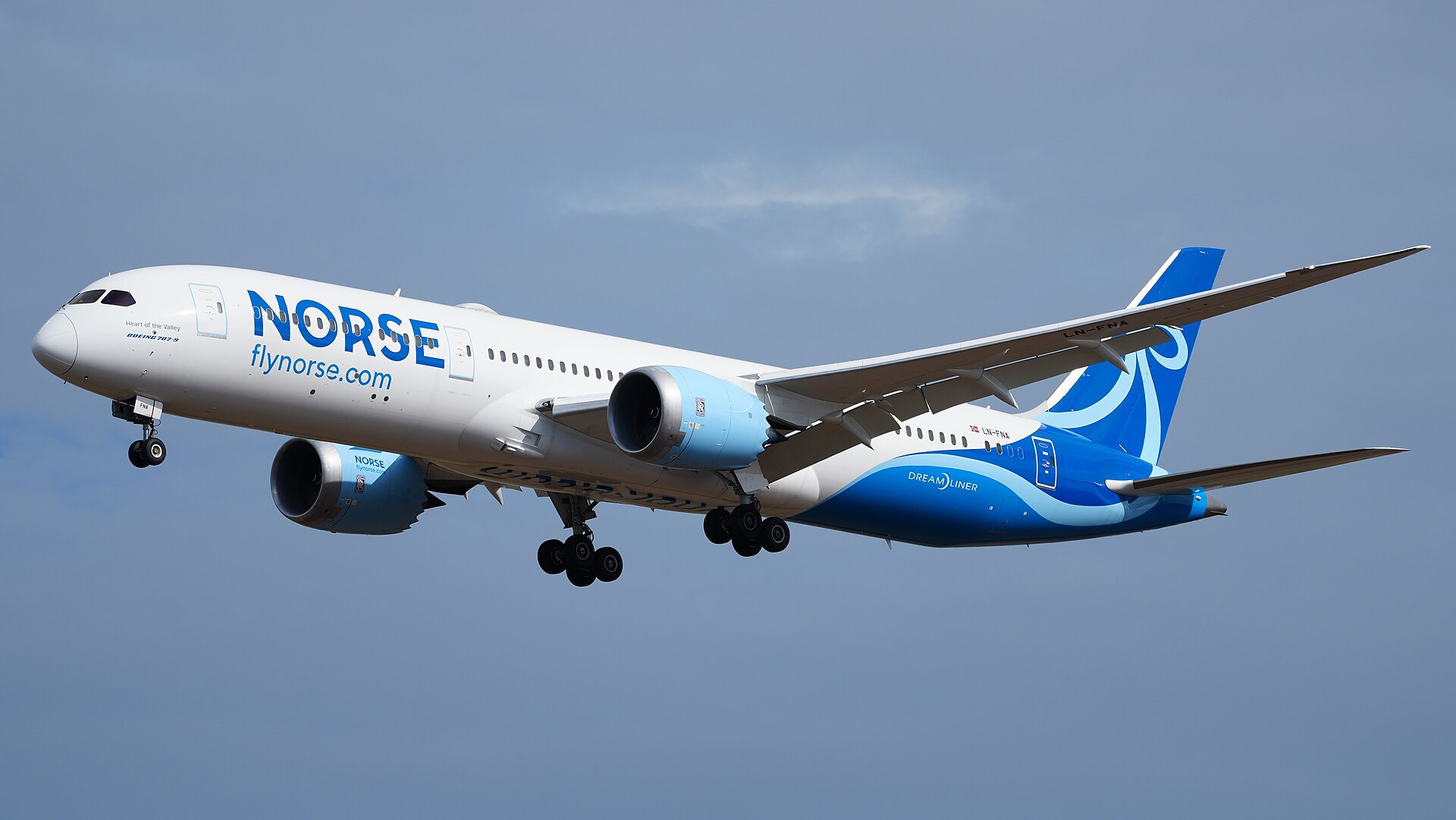
Norse flew a fleet of 12 leased Boeing 787-9 Dreamliners. The aircraft belong to two big leasing companies, AerCap and BOC Aviation. Both lessors have moved to end the leases on the whole fleet, Aviation Week and AeroTime reported.
The airline also carried a US$52 million senior secured bond. It had held talks about a possible takeover, but no deal arrived in time. In the first half of 2026, Norse reported a net loss of US$94.6 million.
When an airline leases its jets, the lessor can take them back quickly if payments stop. That is why lease terminations often follow a suspension so fast. The 787s will likely be placed with other airlines, since the Dreamliner remains in demand worldwide.
Ticket holders are in a weaker position. When an airline goes bankrupt, passengers usually become unsecured creditors. That means any refund through the bankruptcy process can be small and slow. The usual European compensation rules for cancelled flights also offer little help once an airline has stopped trading. This is why card chargebacks and travel insurance are often the quickest way to get money back.
Background: a pandemic-era start-up
Norse Atlantic was born during the COVID-19 crisis. It started flying in June 2022 with a route from Oslo to New York JFK. The idea was simple: cheap fares across the Atlantic on modern, fuel-efficient 787s.
The model echoed the long-haul business of Norwegian Air Shuttle, which gave up long-haul flying during the pandemic. Several of Norse’s first 787s had earlier flown for Norwegian. You can read more about the airline’s early days in our profile of Norse Atlantic Airways.
In recent months, Norse cut several US routes and shifted its winter schedule towards Asia, including Bangkok and Phuket. High fuel costs linked to conflict in the Middle East added pressure on many airlines this year. Gulf hubs have also felt the strain, as our report on falling Dubai airport traffic showed.
Impact on South Asia and PIA
The collapse also hit South Asia directly. Norse had wet-leased two 787-9s to Pakistan International Airlines (PIA). In a wet lease, one airline supplies the aircraft and usually the crew, while another sells the tickets.
PIA cancelled two UK flights on 25 November: PK786 from London Heathrow to Islamabad and PK710 from Manchester to Lahore. From 26 November, it moved its UK services to its own Boeing 777s, Aviation Week reported. PIA called the suspension without notice “deeply regrettable.”
Nepal’s own airlines do not use Norse aircraft. Still, the case shows how a failure in Europe can disrupt flights in our region within hours.
Tips for affected passengers
Nepali travellers who booked Norse flights, for example to connect in Europe or to Thailand, should act quickly:
- Do not go to the airport for a Norse flight. All flights are cancelled.
- If you paid by credit or debit card, ask your bank about a chargeback.
- If you booked through a travel agent or a package, contact them first. Package holidays often carry extra protection.
- Check whether your travel insurance covers airline insolvency.
- Keep receipts for any new tickets, hotels or meals. You may be able to file a claim with the bankruptcy trustee.
Rival airlines sometimes offer “rescue fares” to stranded passengers after a collapse. It is worth checking with carriers on the same routes.
What happens next
The court-appointed trustee will now take charge of the Norwegian unit. The parent company will try to save what it can, but any return to flying is uncertain. Without aircraft, staff or ticket sales, a restart would need fresh money and new leases.
Staff are among the hardest hit. Pilots, cabin crew and ground workers at the Norwegian unit now face an uncertain future while the trustee decides what can be sold. Some may find work quickly, as many airlines are still hiring experienced 787 crews.
Norse joins a list of airlines that failed in 2026. Earlier this month, a UK court ordered the liquidation of A380 start-up Global Airlines. Industry reports warn that weaker carriers could face more pressure into 2027 if fuel prices stay high.
Sources
- Norse Atlantic official release (Cision)
- AeroTime: Norse suspends all operations
- AeroTime: Norse files for bankruptcy
- Aviation Week
- InsideFlyer
Featured image: Norse Atlantic Airways Boeing 787-9 LN-FNA. Photo via Wikimedia Commons (free licence; author and licence on the file page).